


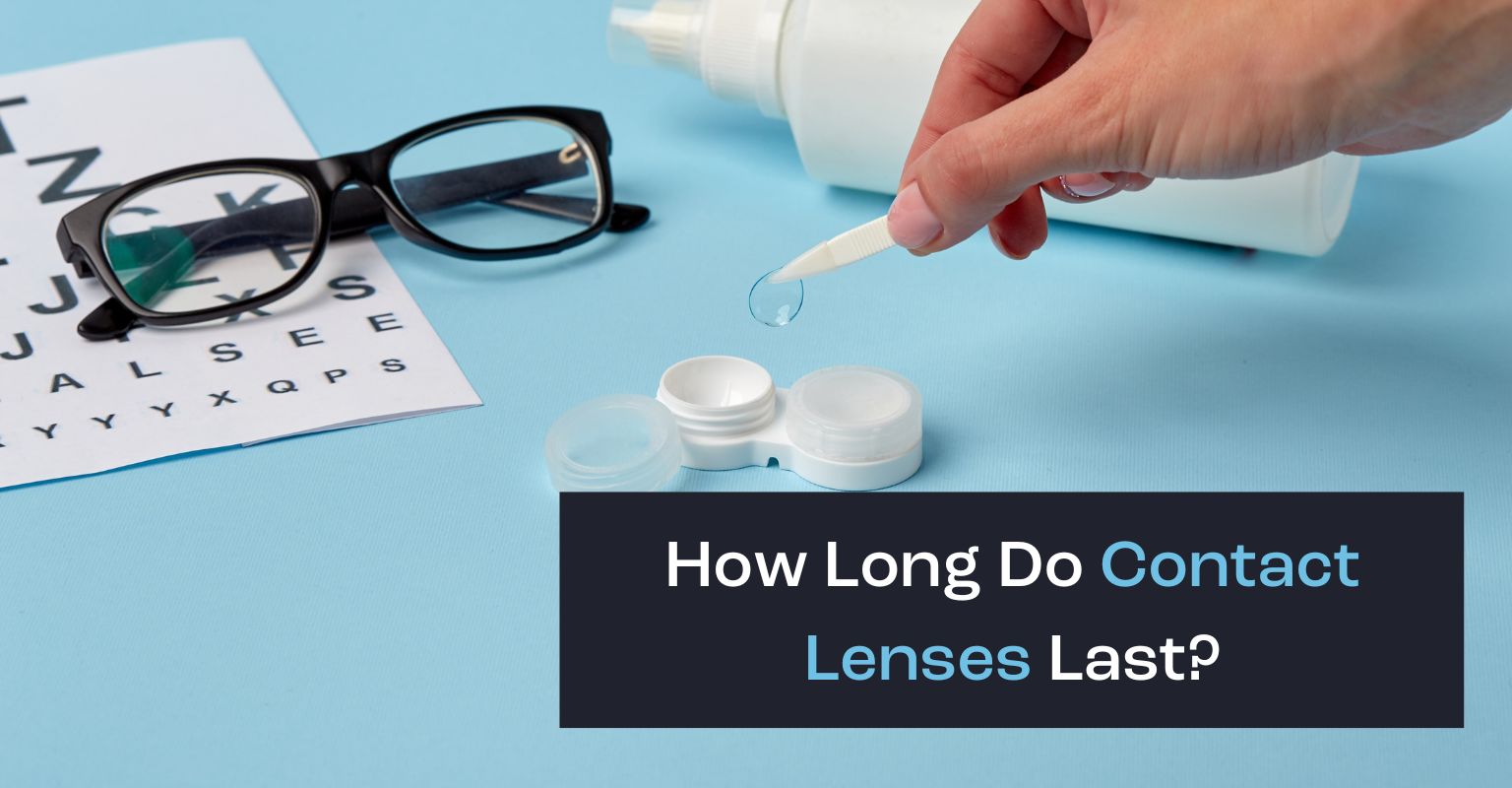
The lifespan of your contact lenses depends on the type you wear — from daily disposables to monthly lenses and extended wear options. It also depends on how many hours per day you wear them and how carefully you follow the manufacturer’s cleaning and replacement guidelines.
Ignoring these timelines can lead to eye irritation or even infection. That’s why it’s important to consult an eye care professional, like your local Vision Works optometrist, who can guide you on the best lenses and proper wear schedule for your eyes.
Understanding Contact Lens Replacement Schedules
Your contact lens replacement schedule is determined by lens type. Some are designed for one-day use, while others can last a month or more.
Following your optometrist’s recommended schedule is essential for healthy eyes. Wearing contact lenses beyond their intended lifespan can cause redness, dryness, and even corneal infections.
Daily Disposable Contact Lenses
Lifespan: One day — wear for up to 12–16 hours, then throw away.
Benefits:
- No cleaning or storage required
- Great for dry eyes or allergies
- Ideal for busy, active lifestyles
- Maximum hygiene — always a fresh pair
Who they’re for: Perfect for occasional wearers, travellers, and anyone who values comfort and convenience.
Never reuse daily disposables. They are designed for single use only.
Monthly Contact Lenses
Lifespan: 30 days from opening the pack.
Care Tips:
- Clean and store nightly in lens solution
- Replace after 30 days, even if not worn daily
Benefits:
- More cost-effective for full-time wearers
- Available for astigmatism (toric) and presbyopia
- Durable and comfortable when cared for properly
Monthly lenses are great for those who wear contacts daily but are committed to good cleaning habits.
Extended Wear Contact Lenses
These lenses can be worn continuously — even while you sleep — for up to 7–30 days, depending on your prescription and eye health.
Important: Not everyone can tolerate overnight wear. Continuous wear reduces oxygen flow to the eyes, which can increase infection risk.
Vision Works Tip: Only wear extended lenses under an optometrist’s supervision, and schedule regular check-ups to ensure your eyes remain healthy.
Speciality Contact Lenses
Certain eye conditions or vision needs require specially designed lenses.
Toric Lenses for Astigmatism
These lenses correct irregular corneal curvature and are available in daily, two-week, and monthly options. They follow the same replacement schedule as regular lenses but require precise fitting for comfort and clear vision.
Multifocal Lenses for Presbyopia
For those over 40 experiencing near-vision changes, multifocal lenses provide both distance and reading correction. They come in various replacement schedules. A Vision Works optometrist can help determine the best option for you.
Colour Contact Lenses
Add a pop of colour safely — but only buy from a trusted eye care professional. Follow the same replacement schedule as your clear lenses and never share them with others.
Book an eye test
Don’t wait, secure your appointment now and see the world in a whole new way. Book your eye test today!
How Many Hours Can You Wear Contact Lenses Per Day?
In general, contact lenses should be worn for 8–12 hours per day.
Extended Wear Exception
Some lenses are approved for overnight wear, but only with professional clearance.
Factors That Affect Comfort
- Lens type and oxygen permeability
- Eye health and tear film
- Environmental conditions
- Screen time and digital device use
Warning Signs of Overwear
If you experience redness, dryness, or blurry vision, it’s time to give your eyes a rest.
Vision Works Tip: Book an eye test if you notice recurring discomfort.
Factors That Affect Contact Lens Lifespan
Your habits can make or break how long your contact lenses remain safe and comfortable.
Proper Cleaning and Storage
- Use only the recommended contact lens solution
- Clean lenses every time you remove them
- Replace the case every 3 months
Environmental Factors
- Air conditioning and heaters can dry out your lenses
- Long hours on digital devices increase eye strain
- Never wear contact lenses while swimming or showering
Personal Factors
- Natural eye moisture varies between individuals
- Certain medications can cause dry eyes
- Always wash your hands before handling lenses
Signs It’s Time to Replace Your Contact Lenses
Your eyes will tell you when something’s wrong. Watch for these signs:
- Discomfort or reduced comfort
- Blurry vision or dryness
- Redness or irritation
- Visible damage to the lens
If any of these occur, remove your contact lenses immediately and consult a Vision Works optometrist.
Common Mistakes That Reduce Contact Lens Lifespan
Avoid these common errors to protect your vision:
- Wearing lenses longer than prescribed
- Sleeping in lenses not meant for extended wear
- Using water or saliva to rinse lenses
- Skipping cleaning and storage steps
- Swimming or showering while wearing lenses
- Ignoring irritation or discomfort
Note: Vision Works requires a valid prescription from the past 12 months for all contact lens purchases — for your safety.
Benefits of Following Proper Replacement Schedules
When you replace your contact lenses on time, you enjoy:
- Clearer vision
- Healthier eyes
- Greater comfort
- Lower risk of infections or dryness
It’s also more cost-effective in the long term — preventing complications that require treatment later.
Choosing the Right Contact Lens Type for Your Lifestyle
Every lifestyle has a perfect lens match.
- Daily disposables: Ideal for busy people, travellers, and those with dry eyes
- Monthly lenses: Suited to full-time wearers or special prescriptions
Extended wear lenses: Best for unpredictable schedules (only with optometrist approval)
When to See Your Vision Works Optometrist
Even if your vision feels fine, annual eye tests are essential. Visit your optometrist if you experience:
Persistent discomfort or dryness
Changes in vision
Redness or light sensitivity
Pain or recurring irritation
Your Vision Works eye care professional ensures your lenses fit properly, your prescription is current, and your eyes stay healthy.
Find the Perfect Contact Lenses With Vision Works
To recap: how long contact lenses last depends on their type — and how well you care for them. Following your replacement schedule is the best way to keep your eyes comfortable and healthy.
Why Choose Vision Works?
Affordable R90 eye tests
Expert optometrists and personalised fittings
Wide range of daily, monthly, and speciality lenses
Ongoing promotions and free guidance on lens care
Book your R90 eye test today, find your nearest Vision Works store, and fall in love with clear, comfortable vision.