Shopping Cart

Gone are the days of blissful ignorance.

Today, we live in a world where it’s become the norm to be hyper-aware of the preventative measures we need to take to stay healthy and safe. When it comes to protecting your vision, understanding glaucoma and how to prevent it is essential.

Unfortunately, glaucoma doesn’t have a warning sign and can occur suddenly.

Types of Glaucoma

The most common type, primary open angle glaucoma, develops slowly with no early symptoms. Angle closure glaucoma is more sudden and requires immediate treatment, causing severe eye pain and vision changes.

Where before the lines were blurred around this severe eye disease, now we have all the information we need to detect it early and manage it effectively. So, what exactly is glaucoma? Simply put, glaucoma is a degenerative condition of the optic nerve that mainly occurs when pressure inside the eye increases. This increased pressure can cause damage to the optic nerve, leading to permanent vision loss if left untreated.

Your eyes produce a clear fluid called aqueous humor that drains through the drainage angle. When this system doesn’t work properly, intraocular pressure builds up, damaging your optic nerve over time.

It’s important to understand that due to its complexity, there are no generalisations. This condition can affect anyone, at any age! Glaucoma can also be hereditary. If you have a family history of glaucoma, you’re at higher risk.

For a more detailed explanation, Click Here

Warning Signs and Risk Factors

Unfortunately, glaucoma doesn’t have obvious warning signs, especially in the early stages. Symptoms often appear only after significant optic nerve damage has occurred. Watch for gradual loss of peripheral vision, blind spots developing in your vision, halos around lights, or, in acute cases, severe eye pain and blurred vision.

You’re at higher risk if you’re over 60, have a family history of glaucoma, have high blood pressure or diabetes, have had a previous eye injury, or have ocular hypertension (elevated eye pressure).

With World Glaucoma Week happening from the 6th to the 12th of March, we want to emphasise that early detection through regular eye exams is your best defence. A comprehensive dilated eye exam allows your eye doctor to diagnose glaucoma before you lose vision. According to the National Eye Institute and Glaucoma Research Foundation, adults over 40 should have eye exams every 1 to 2 years, and annually if they have risk factors for glaucoma.


Maintaining healthy eye pressure is essential to preventing glaucoma from progressing. Here are simple changes that support eye health:

  • Drink 8 glasses of water throughout the day (sip slowly, not all at once)


  • Eat lots of leafy greens, fruits, and veggies

  • Vitamins C, E, and A, plus minerals like zinc, copper, and selenium, are beneficial for eye health

  • These nutrients support healthy blood flow to your optic nerve

  • Regular moderate exercise can help decrease eye pressure

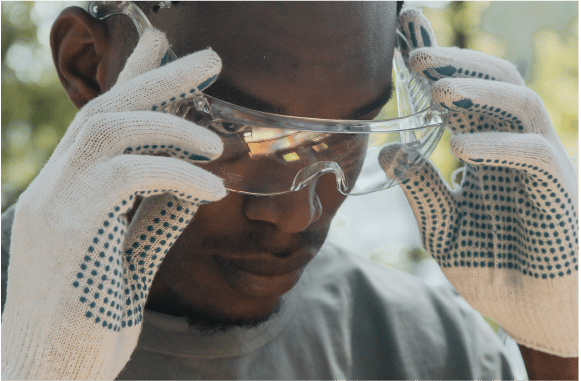
  • When participating in sports or working on anything that could cause eye injury, make sure your eyes are protected, as trauma can lead to traumatic glaucoma or secondary glaucoma

  • Manage high blood pressure and other health conditions

  • Know your family history and inform your eye care provider

Slide for sight

Often, we have to put ourselves in other people’s shoes to know what something feels like. Here is a sliding visual that shows you what a person with glaucoma sees as peripheral vision decreases and blind spots develop:

Book an eye test!

Visit your nearest Vision Works store for a comprehensive eye examination. Our experienced optometrists can detect changes in your optic nerve and eye pressure before you experience vision loss.

Book an eye test now because when it comes to glaucoma, what you don’t know can hurt you.

Remember: you can’t reverse damage that’s already happened, but you can prevent it from getting worse with early detection.

We want World Glaucoma Week to be a reminder that you are in control of the consequences of your actions. So, adopt healthier habits, be careful out there and don’t forget to have get a glaucoma screening and your eyes regularly checked at your nearest Vison Works store.