


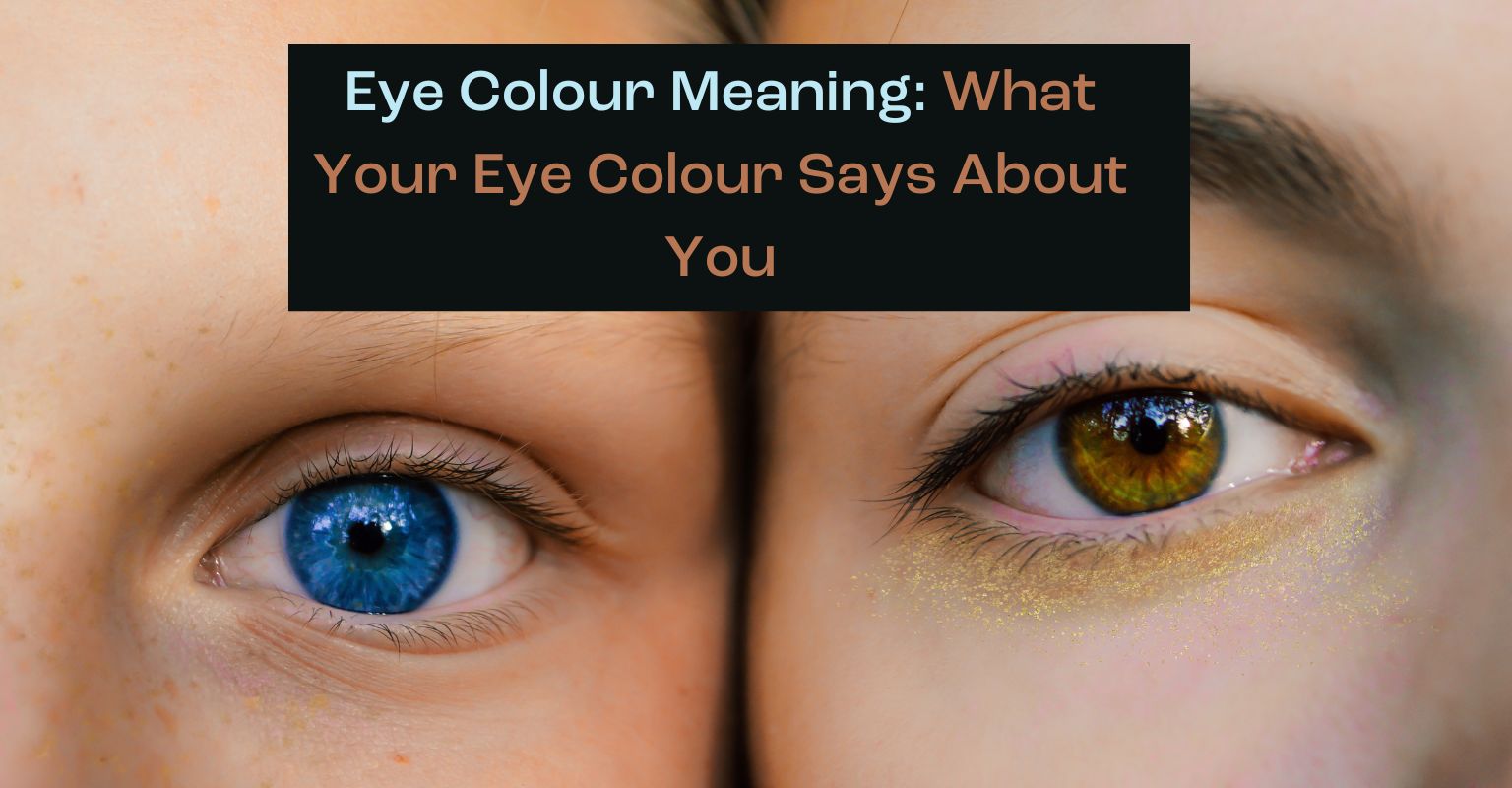
Around 79% of the world’s population has brown eyes, making them the most common eye colour, while only 2% have green eyes. But what does your eye colour mean, and what causes the fascinating human eye colour variation across different people? From genetics and science to cultural significance, your eye colour holds more meaning than you might expect.
Whether you have blue eyes, brown eyes, hazel eyes, or any other shade, understanding the meaning of eye colour can reveal insights into your genetics, health considerations, and even cultural perceptions. Let’s explore what makes each eye colour unique and what it means for your vision health.
The Science Behind Eye Colour
Eye colour is determined primarily by melanin in the iris and how light scatters as it enters the human eye. Melanin is the brown pigment responsible for eye, skin, and hair colour variation.
The melanin formula:
- More melanin = darker eyes (dark brown, brown)
- Less melanin = lighter eyes (blue, green, grey)
- Very little melanin = the lightest shades (light blue eyes, grey eyes)
- Little or no melanin = scarce colours
Melanin also affects light sensitivity. People with light colored eyes, such as blue or grey eyes, often experience more light sensitivity than those with brown eyes because they have less natural protection from bright light.
Genetics of Eye Colour
Eye colour genes come from both parents, but it’s more complex than simple dominant versus recessive inheritance. Multiple genes affect eye colour, making the genetics of eye colour fascinating and sometimes unpredictable.
Interesting genetic facts:
- Two blue-eyed parents can sometimes have children with different eye colours
- Blue-eyed parents typically have blue-eyed children, but exceptions exist
- Identical twins can occasionally have different colored eyes
- Eye colour can change past early childhood as melanin develops
During an eye test, optometrists can assess your light sensitivity and recommend personalised protection for your specific eye colour.
Book an eye test
Don’t wait, secure your appointment now and see the world in a whole new way. Book your eye test today!
Brown Eyes: The World’s Most Common Eye Colour
Brown eyes are the most dominant globally, particularly in Africa, Asia, and the Americas. People with brown eyes have the most melanin in their iris.
Dark Brown Eyes
Dark brown eyes contain the highest concentration of melanin, offering excellent natural protection from UV rays and bright light. The darkest shades of brown provide the best natural defence against eye injuries from sun exposure.
Light Brown Eyes
Light brown eyes have slightly less melanin, often appearing with golden or honey-like tones. These brown irises still provide good UV protection while offering a unique appearance.
Cultural significance: In many cultures, people with brown eyes are perceived as trustworthy, grounded, and dependable. Brown eyes are often associated with warmth and reliability.
Blue Eyes: A Beautiful Genetic Variation
Blue eyes result from very little melanin in the iris, combined with how light scatters through the colored part of the eye. The blue iris appears blue due to light reflection, not because of the presence of blue pigment.
Light Blue Eyes
Light blue eyes have the least amount of melanin, making blue-eyed people more sensitive to bright light and potentially at higher risk for certain eye conditions.
Blue or Grey Eyes
Sometimes blue or grey eyes can appear similar, but grey eyes have a distinct silvery quality due to unique light scattering patterns.
Health considerations for blue-eyed people:
- Higher light sensitivity
- Potential increased risk for age-related macular degeneration
May benefit from UV protection and blue light glasses

Green Eyes: Nature’s Rarest Gift
Only about 2% of people have green eyes, making them one of the rarest eye colours worldwide. People with green eyes have a unique combination of low to moderate melanin levels with specific light scattering properties.
How Green Eyes Form
Green eyes result from a delicate balance of melanin and light reflection that creates their distinctive appearance. Unlike hazel or green eyes that may change appearance, true green eyes maintain their colour consistently.
Cultural insights: People with green eyes have often been associated with mystery, creativity, and allure in folklore across various cultures.
Hazel Eyes: The Colour-Changing Champions
Hazel eyes are unique because they can appear to change colour depending on lighting and surroundings. These eyes contain a blend of brown, green, and amber pigments.
What Makes Hazel Eyes Special
In bright light, hazel eyes may appear more golden or green, while in different lighting, they can look more brown. This colour-changing ability makes hazel eyes particularly captivating.
Hazel-eyed individuals are often considered spontaneous, energetic, and adaptable—perhaps reflecting the adaptability of their eyes.
Grey Eyes: Mysterious and Rare
Grey eyes are rare and sometimes mistaken for light blue eyes. They result from very little melanin and unique light scattering that creates a silvery appearance.
Geographic distribution: Grey eyes are more prevalent in regions such as Eastern Europe and the Baltic.
Cultural associations: Grey eyes are often linked with wisdom, mystery, and intelligence in various cultural traditions.
Rare and Unusual Eye Colours
Amber Eyes
Amber eyes have a golden, coppery tone caused by high levels of lipochrome, a yellow pigment. They’re more commonly found in parts of Asia and South America.
Violet Eyes and Other Rare Colours
Violet eyes can occur when there is little to no melanin, allowing blood vessels to show through the iris. This is often seen in cases of ocular albinism.
Pink Eyes (Albinism)
Pink eyes occur in severe albinism, where there’s no melanin production, allowing blood vessels to show through the iris.
Eye Colour Changes Throughout Life
Babies Eyes
Most babies are born with blue or grey eyes because melanin production hasn’t fully developed. Babies’ eyes can change colour past early childhood as melanin increases.
Complete Heterochromia
Some people have complete heterochromia, meaning different eye colours in each eye. This genetic variation is rare but completely normal.
Adult Eye Colour Changes
A sudden change in iris colour in adulthood may signal health concerns or eye injuries. Conditions such as Horner’s Syndrome or trauma can cause changes in iris pigmentation.
Important: If you notice sudden eye colour changes, book an eye test at your nearest Vision Works location immediately.
Eye Colour and Health Considerations
Lighter Eyes Health Factors
People with lighter eyes may face:
- Increased sensitivity to bright light and red light
- Potentially higher risk for age-related macular degeneration
- Greater need for UV protection
Darker Eyes Advantages
Dark eyes provide:
- Natural UV protection due to high melanin content
- Better tolerance for bright light conditions
- Natural protection against certain eye injuries
Important note: Regardless of iris colour, everyone needs regular eye care and protection. Your eye colour doesn’t determine your overall eye health—regular check-ups do.
Choosing the Right Eye Protection for Your Colour
For Light Colored Eyes
- Blue light blocking glasses for screen time
- UV-filtered lenses for sun protection
- Prescription sunglasses for outdoor activities
For All Eye Colours
- Regular eye examinations
- Proper UV protection regardless of natural melanin levels
- Contact lenses, if desired for vision correction or colour change
Understanding Colour Vision and Eye Colour
Your eye colour doesn’t affect your colour vision ability—that’s determined by different cells in your retina. However, the overall colour and iris pigmentation can influence how you perceive light and contrast.
Fun Facts About Eye Colour Meaning
- Identical twins can sometimes have different eye colours due to genetic variations
- Some people have sectoral heterochromia—different colored sections within one eye
- Eye colour can sometimes correlate with skin colour, but not always
- The colored part of your eye (iris) can have multiple pigments creating unique patterns
- Different cultures interpret eye colours uniquely—green for magic, brown for wisdom, blue for purity
- Human eye colour variation is one of our most noticeable genetic differences
The Connection Between Eye Colour and Light Sensitivity
Understanding how more light affects different eye colours helps explain why some people need more protection:
- Blue or green eyes: Most sensitive to bright light and UV rays
- Hazel or green eyes: Moderate sensitivity with changing responses to different lighting
- Brown color eyes: Natural protection, but still benefit from UV filtering
- Dark brown: Maximum natural protection but not immunity to damage
Ready to Learn More About Your Eyes?
Your eye colour meaning is just the beginning of understanding your unique vision needs. Whether you have the most common eye color or a rare shade, professional eye care ensures your vision stays healthy throughout your life.
Discover more about your eyes:
- Book an eye test with Vision Works’ experienced optometrists
- Learn about common vision problems that can affect any eye colour
- Explore prescription glasses options that complement your eye colour
- Find your nearest Vision Works location for personalised eye care
Your eye colour tells a story of genetics, health, and beauty. Let Vision Works help you protect and celebrate your unique eyes with professional care tailored to your individual needs.